Recourse Options for Victims of Real Estate Scams
Buckle up, this is a long one!
I got off the phone this morning with a previous client with whom I'm still in touch. This past year, he was scammed out of $170,000. Yep - THAT much. It should be noted - because it's important - that many of these scams prey on the elderly and technologically-inept (no offense, but there's a reason they're preyed on).
The gist:
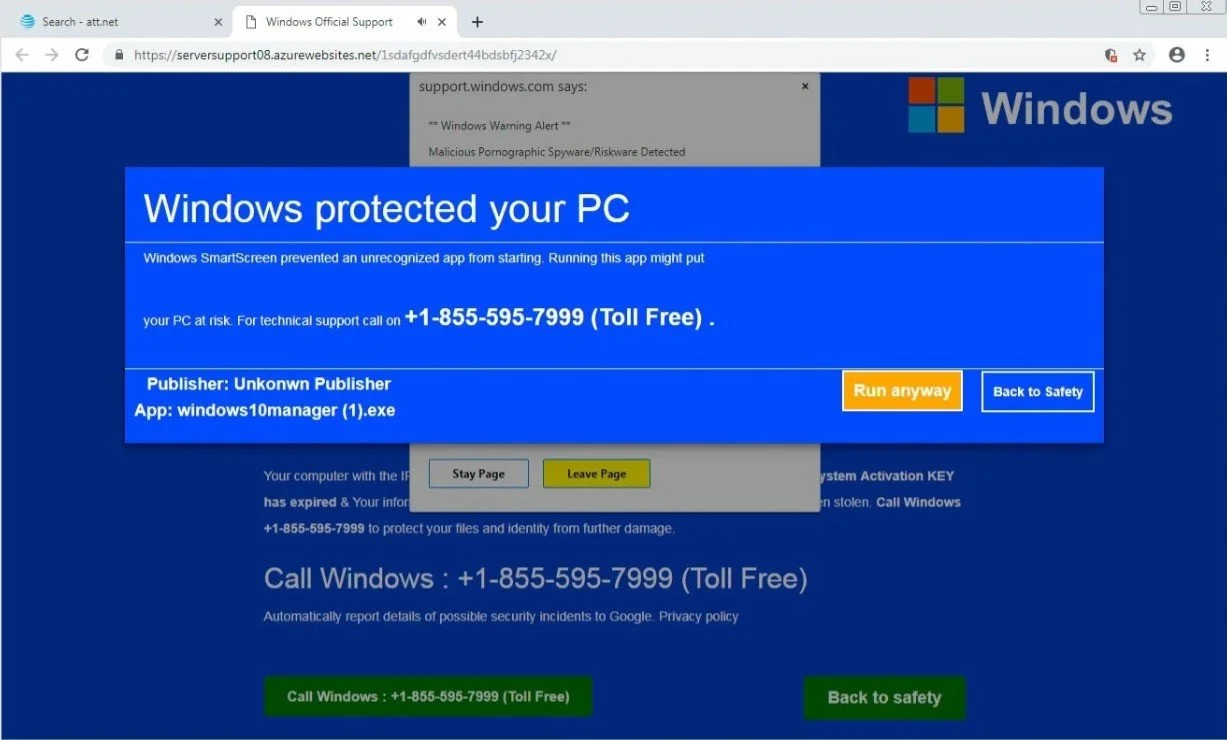
Computer screen goes black and siren sounds. Poor old man (80-years-old) had no idea what was going on.
Instantly gets a call from someone claiming to be from Microsoft, stating all of his bank accounts have been compromised and that he needs to transfer his money to a safe location immediately - then proceeds to guide him to a series of Bitcoin machines, under the promise of receiving a recovery check from US Marshalls.
If you don't like to read, I'll leave this here - NEVER TRANSFER MONEY JUST BECAUSE SOME RANDOM PERSON ON THE PHONE ASKS. NEVER GIVE YOUR BANK ACCOUNT OR PERSONAL INFO TO ANYONE OVER THE PHONE. THE IRS WON'T CALL YOU. MICROSOFT WON'T CALL YOU. EVEN IF YOUR BANK CALLS YOU, TELL THEM TO F OFF. IT'S NOT WORTH THE RISK.
TL;DR PART II: IF YOU ARE IN A REAL ESTATE TRANSACTION, DO NOT WIRE MONEY WITHOUT THE CONSENT OF YOUR ATTORNEY OR REALTOR. SPEAK TO THEM ON THE PHONE - NOT EMAIL.
Introduction
Falling victim to a real estate scam can be financially and emotionally devastating. Whether it's wire fraud involving a fake title or closing company, a phishing scam where you unknowingly divulged bank account info over the phone, or fraudulent instructions that misdirect your funds, the aftermath is often chaotic and stressful. The good news is that there are concrete steps you can take to respond. This guide outlines financial recovery options, support from government agencies, legal remedies, potential tax considerations, and essential tips to prevent scams in the first place. Real estate buyers and sellers can use this information to act swiftly, seek help, and protect themselves from future fraud.
The Growing Threat of Real Estate Scams
Real estate transactions have become an attractive target for sophisticated scammers. In fact, Business Email Compromise (BEC) schemes (commonly used in real estate wire fraud) resulted in over 21,000 complaints and $2.9 billion in reported losses in 2023 alone. One survey of home buyers and sellers found that 1 in 10 Americans had been targeted for real estate wire fraud, and 1 in 20 suffered direct financial losses in just the past three years. These scams typically involve criminals impersonating trusted parties (like your real estate agent, title/escrow company, or attorney) to trick you into sending money or personal information to the wrong place.
Common real estate scam scenarios include:
Fraudulent wire instructions: You receive a very authentic-looking email (or phone call) from someone posing as your title or closing agent with updated wiring instructions for your down payment or closing funds. In reality, the instructions direct money to the scammer’s account. Victims often only discover the fraud at the closing table, when the legitimate title agent says they never received the money. By then, the funds may be gone.
Fake title or escrow company: Scammers set up spoofed email accounts or even fake websites to impersonate real estate professionals. They might insert themselves in correspondence with your agent or lender, so the wiring change request looks legitimate and contains accurate details about your transaction.
Phishing and phone scams: You might get a phishing email that infects your computer or captures your passwords, giving fraudsters access to your bank or email accounts. Or a scammer calls pretending to be from your bank, mortgage lender, or the title company, asking you to “verify” your account or Social Security number – information they then use to steal your identity or funds.
Given how convincing these scams can be, it’s crucial to stay vigilant. Always be suspicious of last-minute changes to payment instructions. As the National Association of REALTORS® warns, it's “extremely rare for wiring instructions to change at the last minute,” especially via email. If you do receive any communication about sending money that seems slightly off or unexpected, treat it as a potential scam until verified.
*******ALWAYS CALL YOUR REALTOR TO CONFIRM THE LEGITIMACY OF WIRING INSTRUCTIONS*******
Don't make me tell you twice.
Immediate Steps for Financial Recovery
If you realize you’ve been scammed in a real estate transaction, time is of the essence. Acting within the first 24–72 hours can mean the difference between recovering your money and a permanent loss (certifid.com). Here are the immediate steps to take:

urgent “SOS” call – speed is critical after discovering wire fraud. Contact your bank and law enforcement right away to maximize your chances of recovering funds.
Contact Your Bank’s Fraud Department (within minutes): As soon as you suspect a wire or payment was fraudulent, call your bank immediately. Provide details of the transaction (amount, account numbers, timestamps) and explain that it was made under fraudulent pretenses. Request a wire recall or freeze on the transfer. Ask if they can issue a SWIFT recall message to the receiving bank to halt the transfer. The bank may be able to reverse the wire if you act fast. If the funds have not yet left the institution or are still in transit, a prompt recall could recover your money. Be firm and insistent – let them know this is a confirmed fraud.
Notify the Receiving Bank: If you know the bank that received the funds (from the wire transfer details), have your bank or yourself contact that institution’s fraud department as well. Inform them the wire was fraudulent, provide the wire details, and urge them to freeze the recipient’s account immediately to prevent the scammer from withdrawing the money.
Engage the FBI’s Financial Fraud Kill Chain (if eligible): The FBI operates a Financial Fraud Kill Chain (FFKC) initiative to help recover stolen funds from international wire scams. If your wire was $50,000 or more, sent internationally, and it’s been under 72 hours since the transfer, ask your bank to initiate the FFKC through the FBI. This involves the FBI coordinating with financial institutions worldwide to locate and freeze the funds. (Your bank will need to have already sent a SWIFT recall notice as part of the process.) The FFKC won’t apply for smaller or purely domestic wires, but still report those to law enforcement.
Document Everything: As you make calls and send reports, keep a detailed log of all communications. Note dates, times, contact names, and what was said. Save any emails, receipts, or chat logs related to the fraud. This documentation will be crucial for investigators, insurance claims, or any legal action later. It also helps you remember exactly what steps were taken and when.
Contact the Closing Agent or Parties Involved: If this fraud is related to an ongoing real estate deal, immediately let your real estate agent, attorney, title company, and any other parties know what happened. They may assist in notifying other relevant banks or have internal protocols for such situations. For example, a title company might reach out to its bank contacts directly or advise you on next steps. Early alert can also prevent the scammer from tricking someone else in the transaction.
By taking these immediate actions, you maximize the chance of recovering the funds before they disappear. Unfortunately, the window is small – one expert noted that the success rate of fund recovery drops to single digits after 24 hours . So don’t delay or second-guess; act as soon as you suspect fraud.
Reporting to Authorities and Government Support
After stabilizing the situation with your bank, the next critical step is to engage the proper authorities. Government agencies can assist with investigating the crime and potentially help in recovering funds or preventing further loss.
File a Report with the FBI (IC3): Submit a detailed complaint to the FBI’s Internet Crime Complaint Center (IC3) at ic3.gov. The IC3 is specifically set up to handle cyber and financial fraud reports. In your complaint, include all pertinent information: your contact info, details of the transaction (when, where, how much, which accounts), and information about the scam communications (emails, phone numbers, any names used by the scammer)(oldrepublictitle.com). Filing an IC3 report creates an official record and triggers coordination with law enforcement. It’s also a prerequisite for the FBI to potentially initiate certain recovery mechanisms. Tip: After filing online, you’ll get an IC3 complaint reference number. Keep this handy.
Contact Your Local FBI Field Office: Don’t stop at the online form. Call or visit your nearest FBI field office and explain the situation, referencing your IC3 report number. Speaking with an agent can sometimes expedite action. If your case meets the threshold (e.g., large international wire), they can work quickly with the FBI’s Recovery Asset Team to pursue the Financial Fraud Kill Chain process. Even if it doesn’t, the FBI may liaise with local banks and law enforcement on your behalf. The FBI strongly encourages swift reporting because it increases the odds of recovering funds or catching the perpetrators.
Notify Local Police: Contact your local police or sheriff’s department to file a police report. While local authorities might not have the expertise to reclaim an international wire, having a local police report is important. It documents the theft officially, which can help with insurance claims or future legal steps. Police might also circulate warnings in the community if a scam targeting real estate transactions is active. In some cases, local law enforcement can coordinate with federal agents if the crime spans jurisdictions.
Involve the U.S. Secret Service (for significant financial cyber crimes): The Secret Service isn’t just for physical protection of officials – they also investigate financial cyber crimes. They have Electronic Crimes Task Forces that deal with banking fraud and might assist in major cases. You can contact a Secret Service field office to report large-scale wire fraud. Like the FBI, they can work to freeze funds (especially for domestic wires) and track money movement.
Report Identity Theft to the FTC: If the scam involved you giving out personal identifiable information (PII) – like your Social Security number, driver’s license, or bank account login – then you should also report this as identity theft. Use the FTC’s online portal at IdentityTheft.gov to report the identity theft and get a personalized recovery plan. The FTC (Federal Trade Commission) will record your report and guide you through steps like placing fraud alerts on your credit reports, freezing credit, and contacting the Social Security Administration or IRS if needed. Even if no misuse has occurred yet, early reporting helps protect you from downstream effects (like the scammer opening loans or credit cards in your name).
State Consumer Protection Agencies: Many states have a Consumer Protection Division (often under the Attorney General’s office) where you can report fraud. While the FBI/IC3 are primary for wire fraud, a state agency might offer additional resources or mediation, especially if the scammer was operating within the state or targeting locals. It doesn’t hurt to file a complaint at the state level as well, which could contribute to broader investigations if a trend is noticed.
Notify Credit Bureaus (if applicable): If bank account numbers, credit card numbers, or other financial account details were compromised, contact the three major credit bureaus (Experian, Equifax, TransUnion) to place a fraud alert or credit freeze on your credit file. This helps prevent new accounts being opened in your name. This is more relevant if the scam involved identity theft or impersonation rather than just a one-time transfer, but it’s an important protective step.
When dealing with authorities, remember to keep copies of all reports and communications. Provide truthful, concise details. While it can feel overwhelming to recount the situation multiple times, these reports are key to activating investigations. Also, by reporting the crime, you are contributing data that agencies use to track scam trends and warn others. For example, the FBI and FTC compile statistics and issue public warnings based on the complaints they receive – your report can help prevent someone else from falling into the same trap.
Legal Remedies and Insurance for Victims
Beyond immediate recovery efforts, victims of real estate scams may have legal recourse and other remedies to mitigate their losses. It’s wise to consult with an attorney about your options, especially if a significant sum is involved. Here are some avenues to consider:
Consult an Attorney – You May Have a Case: Depending on the circumstances, you might have grounds to pursue a civil lawsuit to recover your money. For example, if a real estate professional’s negligence contributed to the scam, they could potentially be held liable. There have been cases where buyers sued their real estate agent or brokerage for failing to safeguard their information or for not warning them about wire fraud risks. In one notable incident, a title company owner who fell victim to a fraud managed to recoup $140,000 of lost funds through civil litigation – though it cost more than that in legal fees. Lawsuits might claim negligence, breach of fiduciary duty, or breach of contract if proper security procedures weren’t followed. An attorney can assess if any party (besides the scammer) bears responsibility – for instance, a bank that didn’t follow a security protocol, or a title agency that had a security breach. Keep in mind litigation can be costly and the culprits themselves are often hard to catch, but legal action could be worthwhile if there’s an insured company or individual at fault.
Insurance Claims (Title Insurance, Cyber Insurance, etc.): Check if any insurance policies might cover your loss. Standard title insurance policies generally do not cover wire fraud or theft of funds (they focus on title defects or liens), but it’s worth reviewing the fine print or asking the title company. Some title companies or escrow providers carry cyber crime insurance or fidelity bonds that, in certain cases, might compensate victims of fraud (especially if the company’s systems were compromised). If you’re a real estate business (agent, broker, or title company) that got defrauded or whose client got defrauded, errors & omissions (E&O) insurance or a cyber liability policy might cover the claim. For instance, specialized cyber liability coverage can be designed to handle fraudulent wire transfer losses. Homeowners or renters insurance typically doesn’t cover this kind of fraud loss, but if you have an add-on for identity theft restoration, it might provide some assistance in recovery services or legal fees. Always promptly notify any relevant insurance carrier about the incident – even if they ultimately don’t cover the monetary loss, you want to fulfill any notice requirements in case other damages arise.
Bank and Credit Card Protections: If the scam involved a credit card or debit card transaction (less common in real estate closings, but possible in related scams), leverage your rights under federal law. Credit cards by law have zero-liability for fraud in most cases – you can dispute unauthorized charges and have them removed. Debit cards and electronic funds transfers have protections too (under the Electronic Funds Transfer Act), but the key is that the transfer must be unauthorized. In wire fraud scams, often the victim authorized the transfer (albeit under false pretenses), which makes it a gray area – banks are not obligated to refund an authorized transfer you initiated. Still, some banks have greater consumer-friendly policies or may refund a loss as a courtesy, especially if you reported it immediately. Ask your bank clearly if there are any protections or reimbursements available for fraud-induced transfers. If you feel the bank didn’t act promptly when notified, or if a lapse on their end made the fraud possible, discuss this with your attorney – occasionally banks can be pressured to absorb a loss in the interest of customer service or to avoid legal liability.
Victim Restitution (Criminal Cases): In the event that the perpetrators are caught and prosecuted (often a big “if”), courts can order restitution to victims as part of the criminal sentence. This means the criminals must pay back the stolen funds (to the extent they’re able). However, recovery via restitution is uncertain – many scammers operate overseas or quickly spend the money, so even if ordered, you might not collect much. Still, cooperating with law enforcement investigations and providing impact statements can at least push for any recoverable assets to be returned to victims.
Negotiating Settlements: If your loss is partially due to a mistake by a business (for example, if your real estate attorney’s email was hacked and that led to your loss), that business may choose to quietly compensate you or split the loss to avoid legal trouble or reputational harm. It’s not uncommon for companies to settle with victims. A lawyer can help negotiate such a settlement. The business might not admit fault but could pay out of goodwill or via their insurance. The bottom line is: don’t assume you are solely on the hook for the loss without exploring these options.
Throughout this process, legal advice is key. Many attorneys offer free consultations – consider speaking with one who has experience in fraud or real estate law. They can help weigh the cost-benefit of litigation or insurance claims. Also, if you do pursue legal action, your meticulous documentation of the scam and your reporting (from earlier steps) will serve as evidence. Keep copies of your FBI and police reports, correspondence with banks, etc., as these will support your case that you were indeed a victim of a crime and acted responsibly after.
Tax Considerations for Scam Losses
Victims often wonder if a financial loss from fraud can be written off on taxes. The answer is complex and has changed in recent years, but here are the key points:
Theft Loss Deductions: Under U.S. tax law, money stolen through fraud can sometimes qualify as a theft loss deduction. Historically, individuals could deduct theft losses on their income tax return (Schedule A, itemized deductions) in the year the loss was discovered, to the extent the loss exceeded $100 and 10% of adjusted gross income. However, the tax landscape changed with the Tax Cuts and Jobs Act of 2017, which suspended personal theft and casualty loss deductions for 2018-2025 (unless the loss is attributable to a federally declared disaster). This means if your loss is considered a personal casualty/theft, you generally cannot deduct it during this period.
Exceptions – Transactions Entered for Profit: Importantly, there is an exception for losses incurred in a transaction entered into for profit (IRC §165(c)(2)). The IRS has clarified that some scam losses may still be deductible if you had a profit motive in the scheme. For example, if you were scammed while trying to invest money or in the course of a business transaction, that could be considered a loss incurred in a profit-seeking activity. In the IRS Chief Counsel guidance issued in 2025, they outlined scenarios like investment scams (sometimes called “pig butchering” crypto scams, etc.) where the victim can claim a theft loss because they intended to make a profit. Conversely, purely personal scams (like a romance scam or sending money to someone with no expectation of profit) are treated as personal losses and not deductible under current law (at least until 2026 when the law could change).
Real Estate Scam Context: Where does a real estate wire fraud loss fall? If you were buying a personal residence, that’s generally a personal use, not a profit motive. So that loss would likely not be deductible under the current rules. However, if you were purchasing an investment property or involved in a business real estate deal, you could argue it was a transaction entered for profit. The IRS memo indicates that what matters is your intent – if you intended to invest or earn income (profit) and got defrauded, you may qualify for a theft loss deduction. Always consult a qualified tax professional about your specific situation. They can help determine if your loss meets the criteria and how to document it for the IRS.
Claiming the Deduction: If you do qualify, a theft loss is generally deducted in the year it’s discovered. You must be able to show there’s no reasonable prospect of recovery – meaning you’ve pursued all avenues (police, courts, etc.) and don’t expect to be repaid. Usually, you’d file IRS Form 4684 (Casualties and Thefts) and possibly an itemized deduction on Schedule A for individuals. Businesses would report it on their business tax forms as an ordinary loss. Keep copies of police reports, correspondence, and any proof that the funds were stolen; the IRS may require evidence of the theft and your attempts to recover it.
Net Operating Loss (NOL) Possibility: Large theft losses for businesses or profit transactions might create a net operating loss, which could potentially be carried forward to offset future income. This is a technical area – again, professional tax advice is important.
No Double Dipping: If you end up getting reimbursed (through insurance, lawsuit, etc.) after claiming a tax deduction, you may need to include the recovered amount as income in a future year. Essentially, you can’t take a deduction for a loss and also get the money back without tax consequences.
In summary, tax relief for scam losses is limited for most individuals right now. It’s worth asking your accountant about, especially if the loss is substantial. In some cases, victims have been able to recoup a portion of their loss via tax savings. Even if not, keep records of the loss – if the laws change or if the loss remains unrecovered by the time tax rules allow personal theft deductions again (post-2025, unless new legislation is passed), you might be able to claim it later. As always, tax matters can be tricky, so professional guidance is recommended.
Tips for Preventing Real Estate Scams
While it’s crucial to know how to react after a scam, the best outcome is not getting scammed in the first place. Real estate transactions often involve large sums of money, making them prime targets. Here are some preventative tips to protect both buyers and sellers from fraud:
Be Skeptical of Last-Minute Wiring Changes: As noted earlier, wiring instructions rarely change mid-transaction. If you receive any email or call saying “Oops, we have new wire details for you,” assume it’s a scam until proven otherwise. Always verify by phone using a known number. Don’t reply to the email or call the number it came from. Call your agent, title officer, or lender at the number you were originally given (or find their official website) to ask if they actually sent such a request.
Use Verified Contact Methods: At the start of a real estate deal, get a list of verified phone numbers and contact persons for all parties (agent, escrow, title, lender, attorney). Use those numbers for any critical communications. If you get an email with wiring instructions, call your escrow or title officer at their known number to confirm every detail before sending money. And never trust a phone number provided in an email – it could be the scammer’s.
Secure Your Email and Devices: Many wire fraud schemes begin with an email hack (either of the consumer or a professional). Use strong passwords and two-factor authentication (2FA) on your email accounts (aarp.org). This makes it harder for hackers to break in and impersonate you or your agent. Be cautious with public Wi-Fi when accessing sensitive email. Keep your computer security software up to date to guard against malware. If you receive a suspicious email, do not click links or attachments unless you’re sure of its source.
Don’t Share Sensitive Info Over Phone or Email: Your bank, title company, or agent should not be asking for your banking PIN, full account login, or Social Security number via email or an unsolicited call. Phishing calls may claim there's an “urgent problem” to trick you into revealing info. If someone calls asking for sensitive data, tell them you will call back – then contact the institution using the official customer service line to see if it’s legitimate. When sharing documents that contain private information (bank statements, loan applications, etc.), use secure upload portals or encrypted email if available, rather than regular email.
Educate and Agree on a Process: If you’re involved in a real estate transaction, talk with the other parties early about how communications will be handled. For example, you might agree that all wiring instructions will also be confirmed with a live phone call between the parties. Set expectations that no changes will be made via email alone. Many title companies now routinely call to verify wire details; make sure yours will do this. If you’re the seller expecting proceeds, you should also verify that the title company has your correct wiring info by calling them. This two-way vigilance is important (scammers have tricked title companies into sending seller proceeds to wrong accounts as well).
Watch for Red Flags: Keep an eye out for classic scam warning signs – emails with odd phrasing or grammatical mistakes, urgent or panicky language (“Funds must be sent today or the deal will fall through!”), or communications outside normal business hours. However, note that some fraud emails are extremely polished and timed perfectly, so lack of red flags doesn’t guarantee legitimacy. That’s why verification out-of-band (phone or in-person) is key for anything money-related.
Use Secure Payment Methods if Possible: Whenever feasible, use more secure payment methods. For instance, some closings can be done with a cashier’s check delivered in person instead of a wire (though checks have their own risks and inconveniences). Some services provide secure payment portals for real estate transactions. At the very least, if wiring, send a test transfer of a small amount first and confirm receipt with the recipient before sending the full amount. This isn’t foolproof (scammers could confirm a small amount too), but it’s another layer of caution.
Protect Your Identity During the Process: Real estate deals involve sharing a lot of personal and financial information. Ask your mortgage broker or realtor how they protect your data. Avoid emailing documents with sensitive info; use secured document delivery. After the closing, safely dispose of or shred any copies of documents you don’t need, and secure the ones you do keep. Identity thieves could use information from a closing packet (like loan numbers, financials, social security numbers) for future fraud, even unrelated to the wire transfer.
Stay Informed and Spread the Word: Fraud tactics evolve, so stay informed. Read up on the latest scam alerts from trusted sources like the FBI, FTC, or AARP. Many organizations, like the AARP Fraud Watch Network, offer free alerts and tips for avoiding scams. If you’re a real estate professional, educate your clients about these risks upfront – a simple warning can save someone’s life savings. If you’re a buyer or seller, don’t be shy about double-checking things; legitimate professionals will understand and applaud your caution.
By following these preventive measures, you drastically reduce the likelihood of falling victim to a real estate scam. It requires a bit of extra vigilance and maybe a few additional phone calls, but considering the stakes (often a large chunk of your net worth), it’s well worth the effort. Remember that anyone can be targeted – first-time homebuyers, retirees downsizing, seasoned investors – scammers cast a wide net. So never assume “I’m too smart to be fooled.” Treat the process with care, and you’ll be one step ahead of the fraudsters.
Final Thoughts
Being the victim of a real estate scam is a frightening experience, but you are not powerless. By acting quickly and methodically, you can improve your chances of recovering lost funds and hold perpetrators accountable. Lean on the support of law enforcement and consumer protection agencies – they deal with these crimes every day. Consult professionals like attorneys and tax advisors to explore every avenue of recourse, from legal claims to possible tax relief. And most importantly, take the lessons learned to heart and strengthen your defenses for the future. Real estate transactions don’t have to be a minefield of fraud if buyers, sellers, and professionals all practice good security hygiene and verify before they trust. By staying informed and cautious, you can confidently navigate your real estate endeavors while keeping scammers at bay.
Remember: if something feels off during a transaction, pause and double-check. An extra phone call or verification step can save you from a life-changing loss. And if despite all precautions, you do end up scammed, know that there is a community of resources ready to help you recover and move forward. Stay safe out there, and happy homebuying (or selling)!
Sources: Real estate scam recovery guidance and statistics from FBI and industry reports; immediate action steps and Financial Fraud Kill Chain details from fraud experts; prevention tips from the National Association of REALTORS® and consumer advocates (aarp.org); IRS rules on theft loss deductions from recent tax guidance; and real-world examples from scam victims and professionals.
Like my content? Follow me for more!
All rights reserved. © 2025