Why a Home Inspection During Bad Weather Can Be a Smart Move
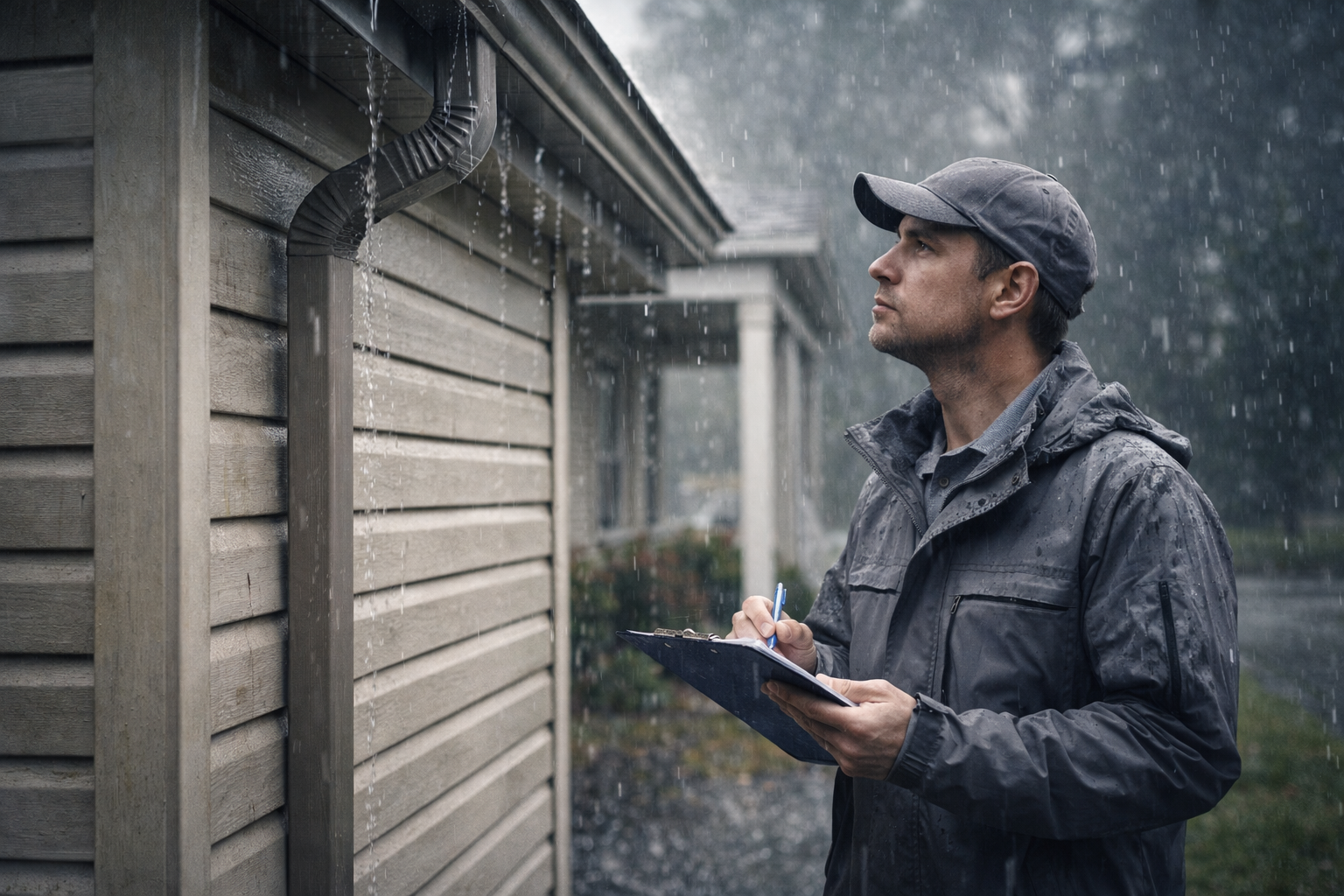
What sunny-day inspections don’t always reveal
When buyers think about scheduling a home inspection, most hope for a clear, calm day.
That makes sense - but it’s not always ideal.
In reality, inclement weather can be one of the best times to truly understand how a home performs, because a house doesn’t live its life under perfect conditions.
Bad weather stress-tests a home
Rain, wind, snow, cold, and extreme heat all do something important: they force a home to show its weaknesses.
During inspections in less-than-perfect weather, issues are often easier to identify, such as:
Active roof or flashing leaks
Gutter and drainage problems
Water intrusion around foundations or basements
Window and door leaks
Insulation gaps and drafts
HVAC systems struggling under real demand
These problems can exist year-round - they’re just harder to spot on a sunny, mild day.
You don’t learn much on a “perfect” day
A home can appear flawless when conditions are ideal.
But buying a home isn’t about how it performs on its best day - it’s about how it holds up on its worst ones.
A heavy rain can immediately reveal grading issues.
Cold weather shows whether the heating system keeps up.
Wind exposes poorly sealed windows or doors.
None of this means a home is “bad.” It simply gives you better information before making a major decision.
Better information means better decisions
For buyers, this isn’t about nitpicking or creating conflict. It’s about clarity.
When potential issues are discovered:
You can budget more accurately
You can ask informed questions
You can negotiate thoughtfully, without emotion
Or you can move forward confidently knowing what you’re buying
That’s not being difficult - that’s being smart.
Timing inspections strategically is part of buying well
Some buyers worry that bad weather will complicate scheduling or slow things down.
In reality, it often saves time later by reducing surprises after closing.
Homes don’t get easier to live in once you own them. Seeing how a property handles real conditions upfront allows you to decide with confidence - and that’s always the goal.
The bottom line
A sunny-day inspection tells you what a house can look like.
A bad-weather inspection shows you how it actually performs.
As a buyer, you’re not just choosing a house - you’re choosing what you’re willing to live with.
The more information you have before you commit, the better that decision tends to be.
And that’s what smart buyers focus on.